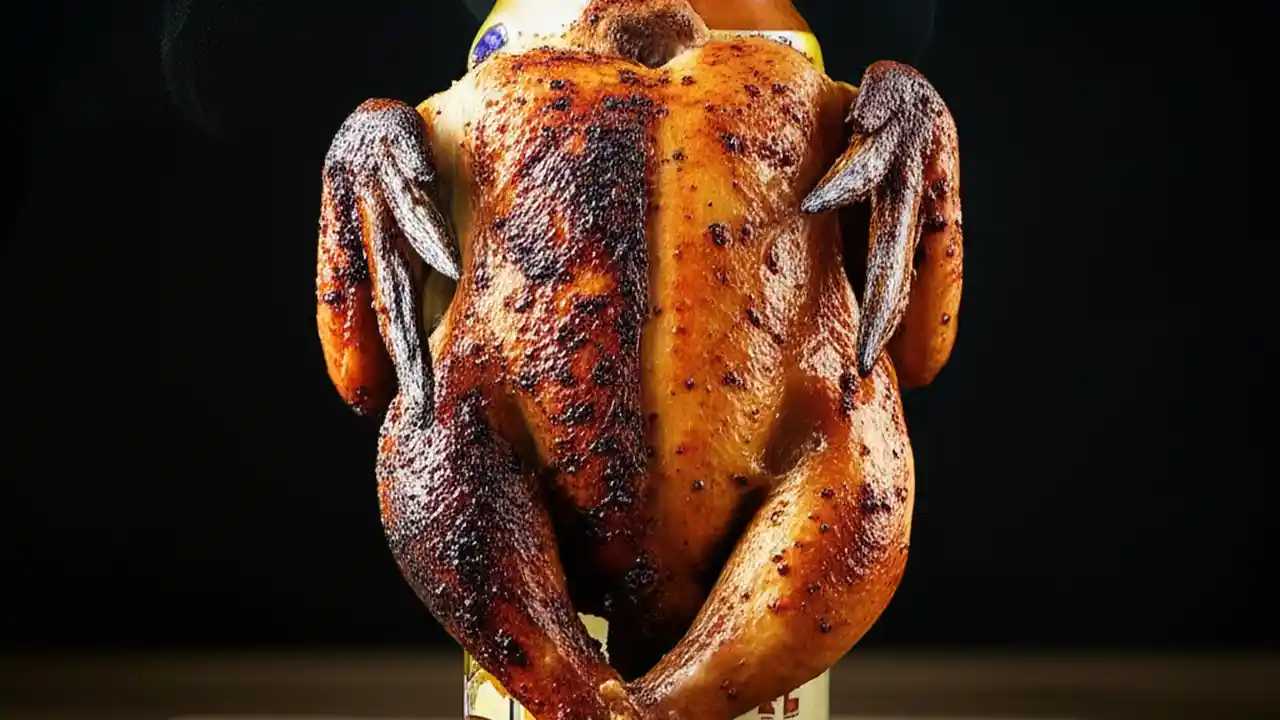
Few culinary spectacles capture the imagination quite like a whole chicken, majestically upright, perched atop a can of beer, slowly transforming into a golden-brown masterpiece. This isn't just a quirky photo op; it's the ingenious method behind beer can chicken, a technique celebrated for delivering unparalleled juiciness and perfectly crispy skin. But the age-old question remains for many home cooks: is the grill or the oven the superior stage for this culinary ballet? The truth is, both methods offer a foolproof path to ultimate succulence, each with its unique advantages. Whether you're a seasoned pitmaster or a kitchen novice, mastering this technique will elevate your poultry game to legendary status.
The Undeniable Appeal of Beer Can Chicken: A Culinary Masterclass in Juiciness
The enduring popularity of beer can chicken isn't a mere fad; it's built on solid culinary science that guarantees incredible results every time. At its core, the method employs a brilliant combination of vertical roasting and internal steaming. As the beer heats up within the can, it creates a gentle, aromatic steam that infuses the chicken from the inside out. This continuous basting action ensures the meat stays unbelievably moist and tender, preventing it from drying out, a common pitfall with whole roasted poultry.
The vertical positioning itself is a stroke of genius. It allows for superior heat circulation around the entire bird, promoting incredibly even cooking. Fat from the chicken naturally drips away, not only reducing the overall grease but also contributing to that coveted, uniformly crispy skin. This technique isn't just a gimmick; it's a proven strategy for achieving a chicken that's Master Beer Can Chicken: Juicy Meat, Crispy Skin Every Time, offering a flavor and texture profile that's hard to beat.
While some purists might debate the extent to which the beer itself flavors the meat, its primary role is to create that crucial moist environment. The aluminum can serves a dual purpose: a stable stand for vertical roasting and an effective steam vessel. This combination ensures that every bite of your beer can chicken is bursting with flavor and unparalleled juiciness. Dive deeper into The Science of Succulence: Why Beer Can Chicken Works Perfectly to truly appreciate this method.
Grill vs. Oven: Mastering the Technique for Your Perfect Bird
Whether you opt for the smoky allure of the grill or the consistent embrace of the oven, the principles of successful beer can chicken remain similar. However, understanding the nuances of each method will help you choose the best approach for your desired outcome and available equipment.
The Grill Advantage: Smoky Perfection and Outdoor Flair
For many, the grill is the quintessential stage for beer can chicken. The open flame and indirect heat impart a distinct smoky flavor that is difficult to replicate indoors. This method is ideal for those who crave that authentic BBQ taste and enjoy the ritual of outdoor cooking.
- Indirect Heat is Key: Success on the grill hinges on proper heat management. For charcoal grills, bank the coals to the sides, leaving a clear space in the center for the chicken. For gas grills, ignite the outer burners to a medium heat (around 350-375°F) while keeping the center burner off. This creates an indirect cooking zone, preventing the bottom of the chicken from burning while the rest cooks evenly.
- The Drip Pan is Essential: Always place a foil drip pan directly beneath the chicken to catch rendered fat and juices. This not only prevents flare-ups, which can char your beautiful bird, but also makes for easier cleanup.
- Flavor Infusion: Beyond the beer, you can enhance the smoky flavor by adding wood chips (like hickory, apple, or mesquite) to your charcoal or in a smoker box for gas grills. The smoke will gently permeate the chicken, adding another layer of complexity.
- Monitoring: Keep the grill lid closed as much as possible to maintain a consistent temperature. Use a reliable grill thermometer and an instant-read meat thermometer for precise internal temperature checks.
The Oven's Reliability: Consistent Control and Indoor Convenience
Don't have a grill, or prefer to cook indoors regardless of the weather? The oven is an incredibly reliable and often underestimated option for producing phenomenal beer can chicken. It offers a consistent, controlled environment that ensures even cooking without the need for constant vigilance over flame and smoke.
- Roasting Pan Setup: You'll need a sturdy roasting pan, ideally with a rack, to catch drips and provide stability. Many also opt for a dedicated vertical roasting stand, which cradles the chicken and holds the can securely, making transfer much easier.
- Temperature Consistency: Preheat your oven to a consistent 375-400°F (190-200°C). Unlike grilling, where temperatures can fluctuate, the oven maintains a steady heat, making it a truly foolproof environment.
- Even Browning: While you won't get a smoky char, the oven still promotes beautiful golden-brown and crispy skin. For an extra boost of crispiness, you can finish the chicken under a broiler for a few minutes at the very end, keeping a close eye on it to prevent burning.
- Versatility: The oven allows for easy experimentation with aromatics in the pan – think sliced onions, carrots, celery, or even citrus halves, which can add subtle flavors to the drippings that can be used for gravy.
Crafting the Perfect Bird: Prep, Seasoning, and Beyond
The magic of beer can chicken begins long before it hits the heat. Thoughtful preparation and a killer seasoning blend are paramount to achieving ultimate juiciness and a flavor explosion.
Choosing Your Chicken and Beer (or Beyond!)
- The Right Chicken: Start with a fresh, whole chicken weighing between 3.5 to 5 pounds. This size fits perfectly over a standard beer can and cooks evenly. Look for a chicken with intact skin and no tears, as the skin plays a crucial role in retaining moisture and achieving that desirable crispiness. Pat the chicken thoroughly dry with paper towels before seasoning; this is a critical step for crispy skin!
- Selecting Your Beer: While any beer technically works, a fuller-bodied lager, ale, or even a stout will offer a richer, more complex aroma and steam than a light beer. The higher moisture content also contributes to more effective steaming. However, don't be afraid to experiment! Consider a can of hard cider for a fruity note, ginger ale for a zingy sweetness, or even a can of chicken broth with a few cloves of garlic and herbs for an alcohol-free alternative. Some adventurous cooks even use sake or a mixture of soy sauce and mirin for an Asian-inspired twist.
The Art of the Rub: Flavor to the Max
The seasoning blend is where much of your chicken's external flavor will come from. While a basic salt, pepper, garlic powder, and paprika rub is excellent, don't hesitate to get creative.
- Oil First: Before applying any rub, lightly coat the entire chicken (inside and out) with a neutral oil like olive or avocado oil. This helps the seasonings adhere beautifully and, crucially, promotes that irresistible crispy skin.
- Basic Rub Foundation: A classic rub typically includes:
- 2 tablespoons coarse salt
- 1 tablespoon black pepper
- 1 tablespoon garlic powder
- 1 tablespoon onion powder
- 1 tablespoon smoked paprika (for color and depth)
- 1 teaspoon cayenne pepper (optional, for a kick)
- Experiment and Customize:
- Herbal: Add dried oregano, thyme, or rosemary.
- Spicy: Increase cayenne, add chili powder or red pepper flakes.
- Sweet & Savory: Include brown sugar for a caramelized crust (be careful with high sugar rubs on the grill, as they can burn).
- Global Flavors: Try a Mediterranean blend with za'atar, an Indian-inspired curry rub, or a Mexican blend with cumin and chili powder.
- Application: Be generous! Rub the seasoning blend all over the chicken, making sure to get under the wings and legs. For maximum flavor penetration, you can even do this a few hours or the night before and let it sit uncovered in the refrigerator.
Foolproof Execution: Temperature, Time, and Safety
Precision is your friend when it comes to perfect beer can chicken. Maintain a consistent cooking temperature and monitor internal doneness for the best results.
- Temperature Control: Aim for a consistent grill or oven temperature of 350-375°F (175-190°C).
- Positioning: Carefully place the chicken upright on the can, ensuring it's stable. The legs should form a tripod with the can, providing a solid base. If using a roasting stand, this step is even easier.
- Cooking Time: A 3.5 to 5-pound chicken will typically take 1.5 to 2 hours to cook, but this can vary based on your appliance and the chicken's size. Avoid the temptation to peek too often, as every time you open the lid, you lose valuable heat and extend the cooking time.
- Doneness Check: The most critical step is ensuring the chicken is cooked to a safe internal temperature. Insert a reliable meat thermometer into the thickest part of the thigh (without touching bone) and the thickest part of the breast. The chicken is done when the breast registers 165°F (74°C) and the thigh reaches 180°F (82°C). The skin should be gloriously golden brown and crispy.
- Resting is Crucial: Once cooked, carefully remove the chicken (still on its can) from the grill or oven. This is where safety is paramount. The can and its contents will be extremely hot. Let the chicken rest for 10-15 minutes on a cutting board. This resting period allows the juices to redistribute throughout the meat, ensuring maximum tenderness and flavor.
- Safe Removal: After resting, carefully transfer the chicken to a large platter. Using thick oven mitts and tongs, firmly grasp the chicken and gently wiggle the can free. Be cautious of any remaining hot liquid. Carve and serve immediately.
Conclusion
Whether you choose the smoky embrace of the grill or the steady heat of the oven, beer can chicken is truly a foolproof method for achieving unparalleled juiciness and perfectly crispy skin. By understanding the science behind the steam and vertical roasting, carefully selecting your chicken and seasonings, and adhering to proper temperature and safety guidelines, you're guaranteed a culinary triumph. This iconic dish isn't just a meal; it's an experience that delights the senses and promises ultimate succulence with every bite. So, grab your chicken, pop open a can, and prepare to impress with this legendary technique.
